Geolocation Systems Reshaping Transaction Compliance in International Gaming Markets
Written by Uma Reed · Oct 21, 2026
Geolocation Systems Reshaping Transaction Compliance in International Gaming Markets
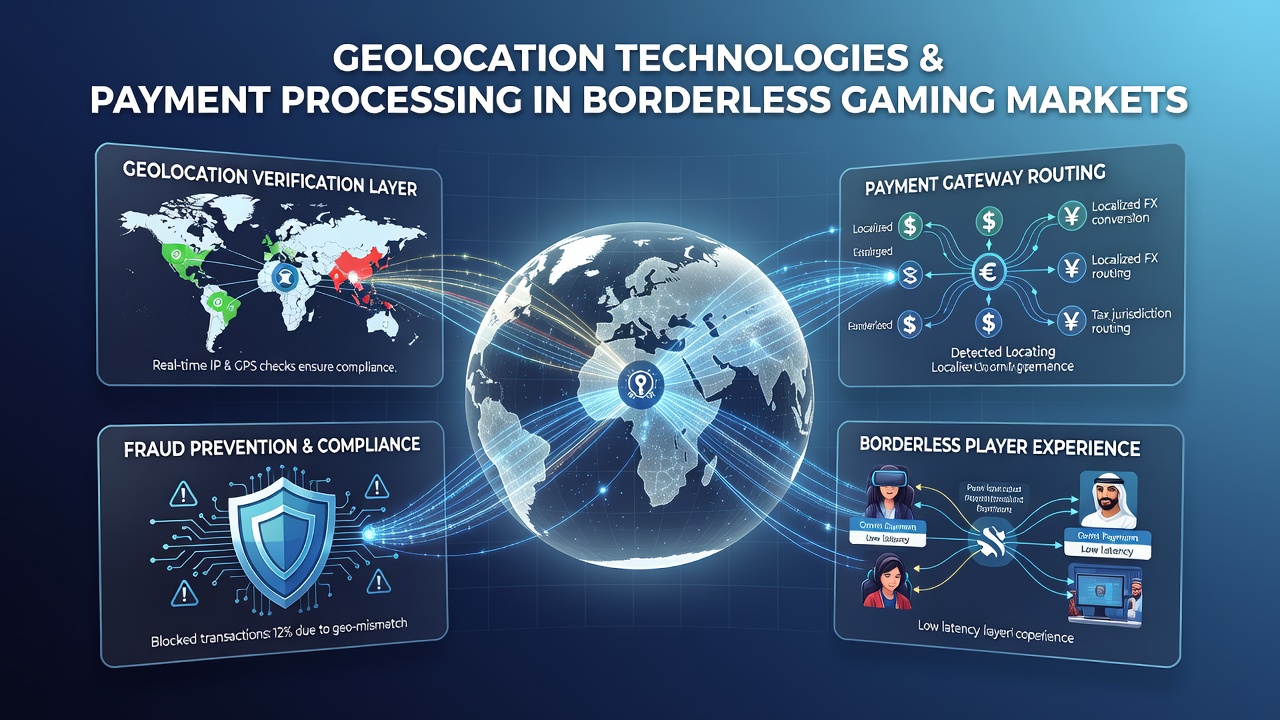
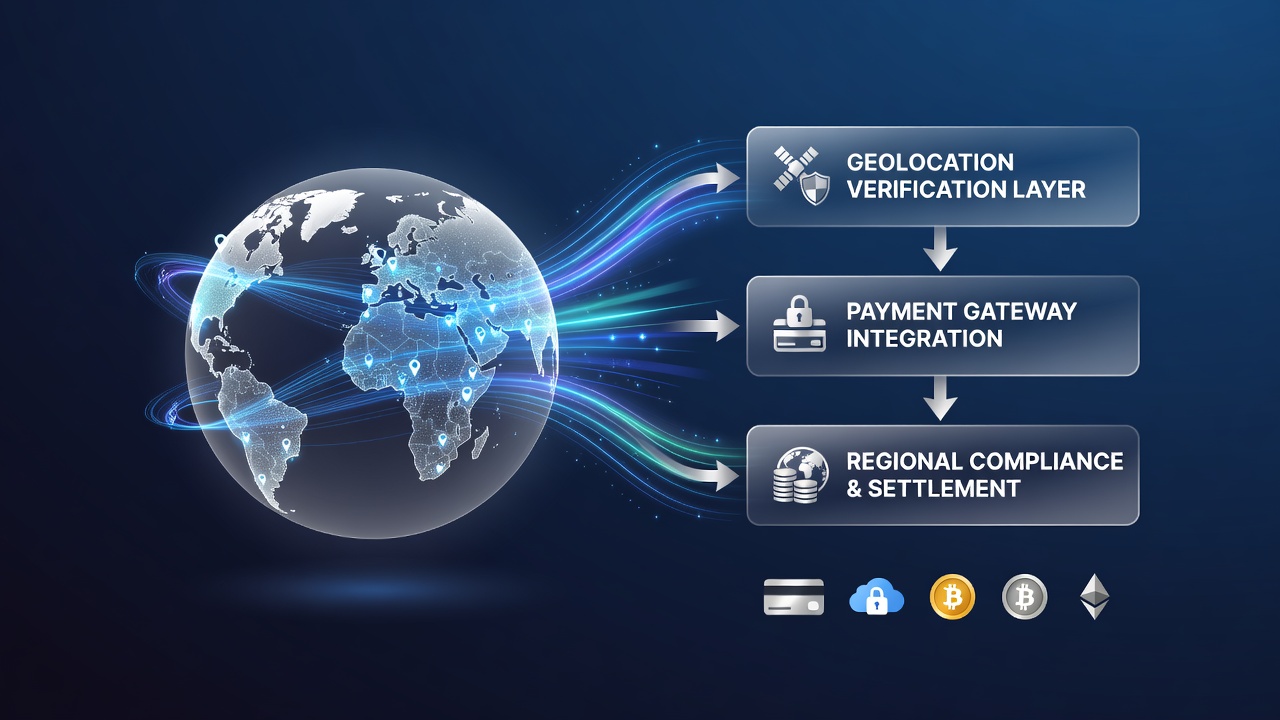
Geolocation technologies verify user positions through IP address mapping, GPS data, and device signals, and these tools directly influence how payment processors approve or decline transactions in markets that cross national borders. Payment gateways now integrate location checks at the authorization stage, which means a player attempting a deposit from a restricted jurisdiction triggers an automatic block before funds move. Research from the European Commission indicates that such integrations reduced unauthorized cross-border transfers by 28 percent in licensed gaming sectors between 2024 and 2026.
Core Mechanisms Behind Location-Based Payment Controls
Operators combine multiple data points including cellular tower triangulation, Wi-Fi network signatures, and satellite positioning to establish a user's location with meter-level accuracy in most urban environments. When a payment request arrives, the system compares the detected coordinates against a database of permitted regions, and any mismatch halts the transaction while logging the attempt for compliance records. Data from the Australian Communications and Media Authority shows that real-time geofencing prevented over 1.2 million restricted deposits in the 12 months ending October 2026, with most blocks occurring within 200 milliseconds of initiation.
Payment processors adjust their risk models based on these location signals, which means higher scrutiny applies to users near borders where regulations differ sharply between neighboring countries. Financial institutions that handle gaming settlements now require location stamps on every authorization request, and this practice aligns transaction records with licensing conditions enforced by bodies such as the Malta Gaming Authority and iGaming Ontario.
Impact on Deposit and Withdrawal Workflows
Deposits processed through credit cards or digital wallets undergo an immediate location query, while withdrawals often face a second verification round to confirm the recipient remains inside the licensed territory. This dual-check approach reduces chargeback rates, yet it also extends processing times by an average of 45 seconds per transaction according to figures released by the Canadian Gaming Association. In borderless environments where players frequently travel, systems allow temporary jurisdiction switches only after the user completes additional identity confirmation steps tied to the new location.
One study published by the University of Nevada, Reno tracked 340,000 gaming transactions over six months and found that location mismatches accounted for 17 percent of declined deposits, while successful cross-border payments averaged 99.3 percent accuracy when multiple verification layers operated together. Processors respond to these patterns by maintaining dynamic whitelists that update daily based on regulatory changes across more than 80 jurisdictions.
Regulatory Alignment and Fraud Prevention
Regulators in multiple regions now mandate that geolocation data accompany every payment record submitted during audits. The New Jersey Division of Gaming Enforcement requires operators to retain location metadata for five years, and similar rules appear in draft legislation under consideration in several Asian markets. These requirements create a standardized audit trail that links each financial movement to a verified physical position at the moment of authorization.
Fraud detection teams use location velocity checks to spot anomalies such as rapid switches between distant countries within minutes, and such patterns trigger manual review or automatic holds. Industry reports compiled by the World Lottery Association note that geolocation-assisted fraud systems identified 92 percent of account takeover attempts involving payment manipulation in 2025, a measurable improvement over earlier rule-based filters alone.
Technical Challenges in Borderless Environments
Virtual private networks and proxy services continue to challenge location accuracy, which forces operators to deploy additional detection layers that analyze packet routing and device fingerprinting. When these layers identify masking attempts, payment processors often require players to complete in-person verification at licensed premises or through certified third-party services. Observers note that the added friction reduces transaction volumes by roughly 4 percent in high-travel demographics, yet it simultaneously lowers regulatory exposure.
Latency introduced by multi-jurisdiction checks can reach 800 milliseconds during peak hours, prompting some processors to pre-cache location data for returning users whose patterns remain consistent. The approach maintains compliance without sacrificing speed for the majority of routine transactions.
Conclusion
Geolocation technologies now form an essential layer within payment processing infrastructures serving international gaming markets, and they enforce jurisdictional rules at teh point of transaction rather than after settlement. Continued refinement of detection methods and regulatory databases supports smoother cross-border flows while preserving the legal boundaries that define each licensed operation. As data collection standards evolve through 2026 and beyond, payment systems will likely incorporate more granular location signals that further align financial activity with territorial licensing frameworks.